Remote patient monitoring (RPM)
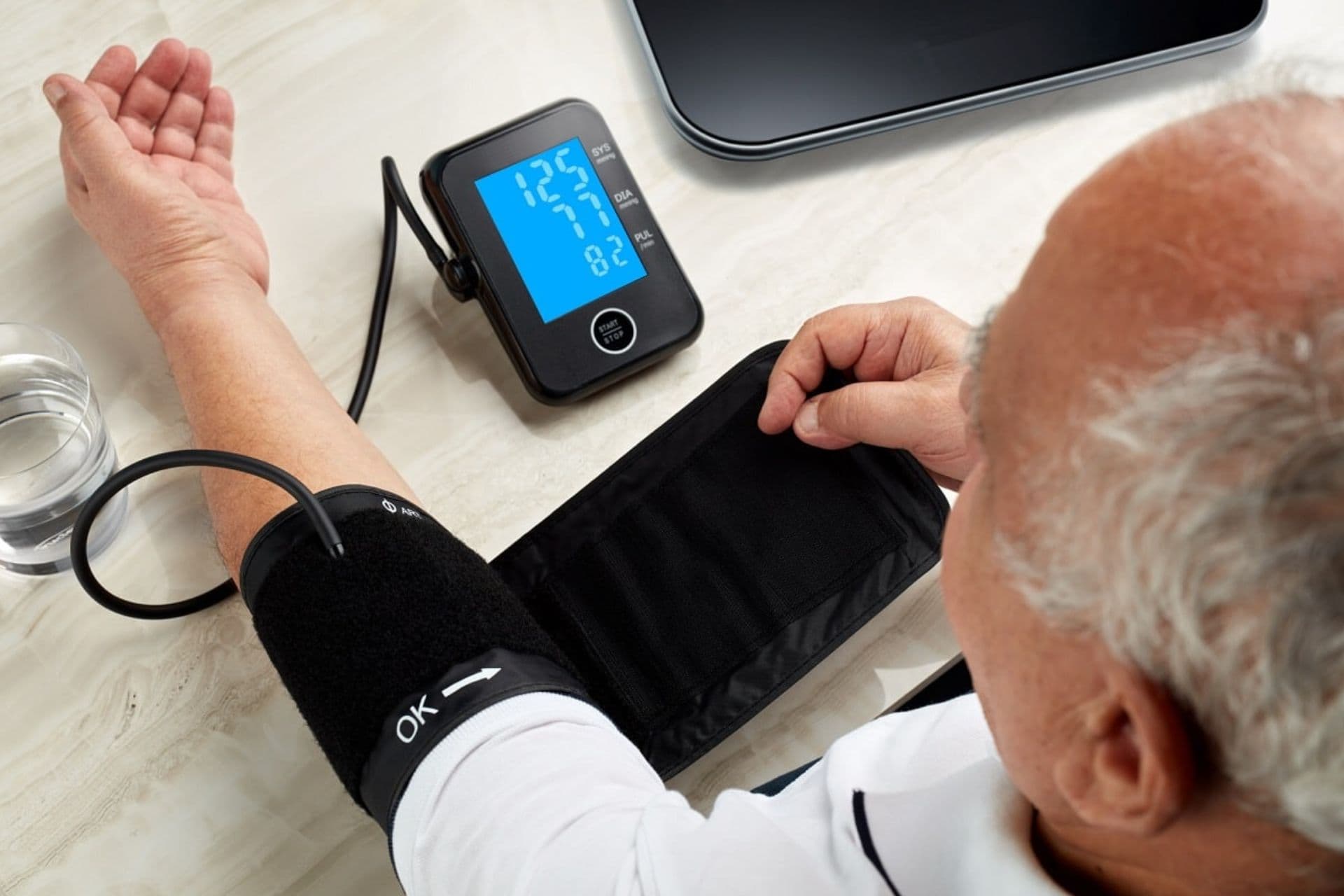
RPM uses connected home devices to collect readings such as blood pressure, pulse, weight, oxygen levels, or other clinician-requested measures between visits.
Remote Patient Monitoring and Principal Care Management are meant to support patients who need structured follow-up outside the exam room. The aim is earlier visibility, clearer communication, and a more consistent plan between standard appointments.
Set expectations clearly
These programs support ongoing care between visits. They do not replace urgent evaluation, emergency care, or every in-person appointment.
Call 911 right away for chest pain or pressure, severe trouble breathing, fainting, sudden weakness or numbness, trouble speaking, or any severe rapidly worsening symptoms. Remote programs are not a substitute for emergency evaluation.
Program Overview
The right program depends on the condition, the kind of support needed, and whether home data can meaningfully guide care.
RPM uses connected home devices to collect readings such as blood pressure, pulse, weight, oxygen levels, or other clinician-requested measures between visits.
PCM supports patients with one serious chronic condition that needs a focused care plan, regular follow-up, and closer coordination over time.
These programs are designed to help your care team spot patterns, review symptoms earlier, and guide the next step without waiting for every issue to become urgent.
What to expect
Your team reviews whether the program fits your condition, explains how it works, and confirms the practical details before you start.
You may receive a connected device, monitoring instructions, or a focused care-management plan depending on whether RPM, PCM, or both services are appropriate.
Readings, symptoms, medications, and follow-up needs can be reviewed over time so changes are addressed earlier and more clearly.
If your readings or symptoms suggest the need for a visit, testing, medication review, or urgent evaluation, your care team can help guide the next step.
Prepare well
Keep an updated medication list and note recent dose changes.
Use your device exactly as instructed and try to take readings consistently.
Write down symptoms, triggers, and questions instead of relying on memory later.
Ask which problems should lead to a phone call, same-day office contact, or 911.
Confirm coverage, eligibility, and enrollment details with the office because program logistics can vary.
The goal is not perfect readings every day. The goal is enough consistent information to support better decisions over time.
Who May Benefit
Final eligibility depends on clinical judgment, enrollment requirements, and payer rules, but these are common situations where the model may help.
Important limits
RPM and PCM do not replace emergency care.
They do not eliminate the need for in-person visits, imaging, labs, or procedures when those are clinically necessary.
Home data is only useful when readings are taken correctly and consistently.
Eligibility, device options, and insurance coverage can vary by diagnosis and payer.
Trusted resources
Official CMS overview of remote monitoring services and how connected physiologic data can support care between visits.
Patient-facing Medicare guidance describing care management support for people with chronic conditions.
CMS guidance on care-management services, including structured support models used for ongoing chronic-condition coordination.
Related pages
Core idea
Consistent readings and symptom notes make remote follow-up more useful than occasional scattered data points.
Clear communication about symptoms, medication changes, and missed readings keeps the plan realistic and safer.
The goal is steadier chronic-condition management, not passive monitoring without follow-through.
Care management is most valuable when it reduces confusion around next steps, follow-up, and escalation.
FAQ
These answers are general education and should be confirmed against your own diagnosis, insurance, and care plan.
RPM focuses on collecting and reviewing home physiologic readings. PCM focuses on managing one serious chronic condition with a structured care plan, regular follow-up, and coordination. Some patients may benefit from one program, while others may use both.
Candidates often include patients who need closer follow-up between visits, have important home readings to track, or are managing a serious chronic condition that benefits from structured ongoing support.
No. These programs support care between visits, but they do not replace in-person evaluation, testing, imaging, or procedures when those are needed.
Call 911 for chest pain or pressure, severe trouble breathing, fainting, stroke-like symptoms, or any symptom that feels severe or rapidly worsening. Monitoring programs are not a substitute for emergency care.
Next step
Bring your medication list, recent readings if you have them, and questions about symptoms or follow-up. The office can help clarify whether remote monitoring, focused care management, or standard follow-up is the better fit.